American Bully Mom St Patrick’s Day Design Review
As a designer who spends just as much time behind an embroidery machine as I do at a computer screen, I approach every new graphic with a specific question: will this actually stitch out well? When evaluating the American Bully Mom St Patrick’s Day design, my first impression is one of niche specificity. This isn't a generic shamrock or a standard leprechaun; it targets a passionate community of dog owners who want to celebrate their breed alongside the holiday. For those of us in the Crafts and Graphics space, finding artwork that bridges two distinct niches—pet lovers and holiday celebrants—is often where the most successful products live.
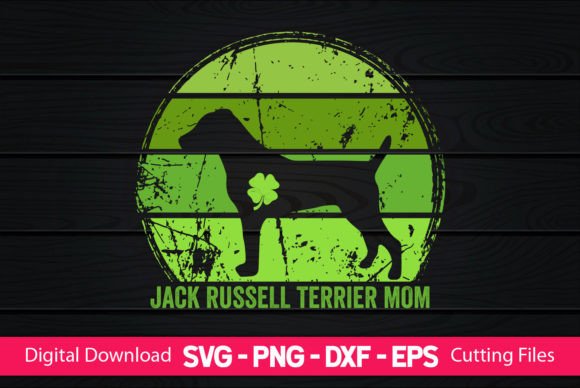
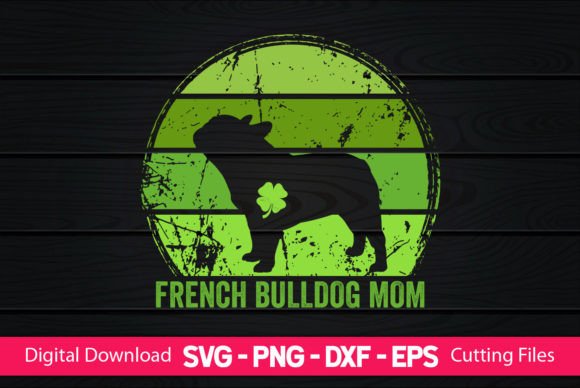
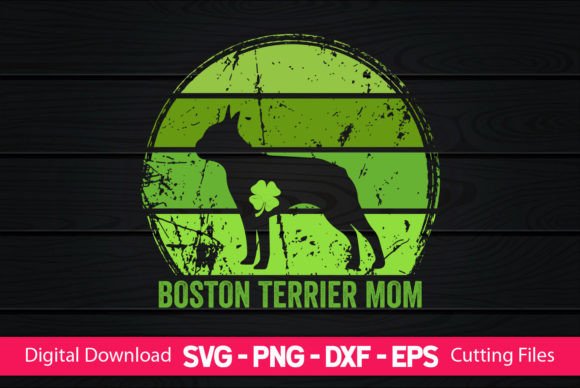
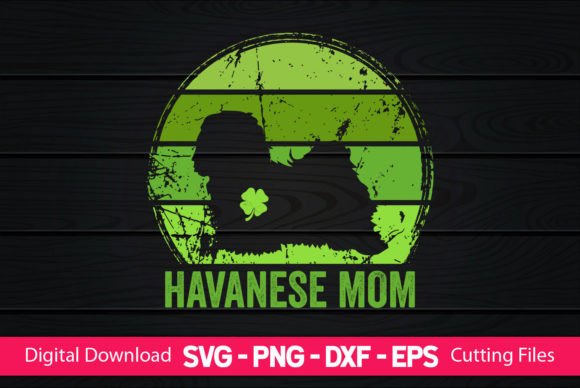
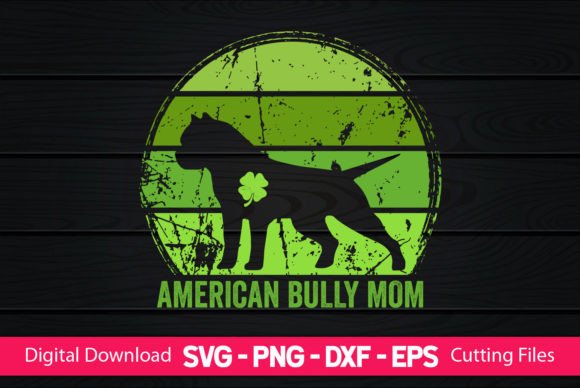
The visual personality of this design feels playful yet bold. The silhouette of the American Bully is distinct, characterized by a blocky head and muscular stance that translates surprisingly well into digital art. When combined with St. Patrick’s Day motifs, the layout suggests a design that relies on strong outlines and recognizable shapes rather than intricate, tiny details. From a production standpoint, this is excellent news. Designs that depend on clear silhouettes are generally more forgiving during digitization and offer better readability on finished goods compared to overly complex illustrations that can turn into muddy thread blobs.
Real-World Application: The Sweatshirt Test
To truly judge the viability of this American Bully Mom St Patrick’s Day asset, I mentally placed it on a heather green crewneck sweatshirt intended for an Etsy shop launch. In this scenario, the design serves as the centerpiece of a custom apparel project. The contrast between the likely vibrant greens and golds of the holiday theme against a muted fabric background creates immediate visual hierarchy.
For a sweatshirt embroidery project, the scale is everything. This design appears optimized for a 4x4 or 5x7 hoop placement on the chest or upper back. If you are creating a handmade product for sale, consider how the design interacts with the garment's seams and ribbing. A centered chest placement works best here, allowing the "Mom" text element to remain legible without wrapping around side seams. I envision this working beautifully as part of a capsule collection for March, perhaps paired with a matching tote bag design for dog park visits. The crossover appeal makes it a strong candidate for a personalized gift, especially if you offer customization options like adding a specific dog’s name beneath the main graphic.
Navigating Fabric Choices and Stabilizer Strategy
While the aesthetic is charming, practical execution requires attention to material variables. As an experienced reviewer, I must emphasize that not all fabrics treat machine embroidery design files equally. The American Bully shape involves curves and potentially dense areas if rendered as a full fill stitch.
- Stretchy Knits: If applying this to t-shirts or lightweight sweatshirts, use a cut-away stabilizer. The weight of the thread can distort jersey knit, causing the design to pucker. A fusible mesh backing can help maintain the integrity of the shirt after washing.
- Textured Fabrics: For items like tea towels or canvas tote bags, the texture can compete with the design. Ensure your stitch density is sufficient to cover the weave of the fabric without becoming bulletproof. You may need to adjust underlay stitches to create a smooth foundation.
- Dark vs. Light Backgrounds: Always test your thread colors against both light and dark fabrics. A design that pops on white might disappear on forest green. If the file includes white elements, ensure they are digitized as actual stitches rather than relying on the fabric color, unless you are specifically doing an applique.
When working with small hoop sizes, be cautious about resizing. Reducing a design by more than 20% can cause satin stitches to become too narrow or running stitches to vanish. Conversely, enlarging it significantly can lead to gapping in fill areas. Always verify the native dimensions of your embroidery file before committing to a production run.
Commercial Viability for Makers and Sellers
For the Etsy seller or small shop product creator, this design offers significant commercial potential because it solves a customer problem: finding breed-specific holiday gear. Generic "dog mom" shirts are saturated, but "American Bully Mom" merchandise has far less competition. However, professionalism is key to buyer engagement.
Before listing any finished product, create high-quality printable mockups. Since this is a digital asset originally formatted for cutting machines (SVG/PNG/DXF/EPS), you must ensure your embroidery digitization retains the crisp edges of the vector art. Customers trust sellers whose photos show clean stitching, proper hooping alignment, and realistic color representation. If you are selling the digital embroidery file itself, provide clear notes on recommended stabilizers and tested fabric types. This transparency builds authority and reduces customer service inquiries regarding stitch-outs gone wrong.
Furthermore, consider the versatility of the asset. Can the shamrock elements be removed to make this a year-round staple? Can the text be changed to "Dad" or "Owner"? Maximizing the utility of your design assets increases your return on investment. Just remember to confirm licensing terms regarding commercial use of the original artwork before scaling your business operations.
Critical Designer Notes Before Stitching
I cannot stress enough the importance of testing. Even the most beautiful graphics can fail if the digitization doesn't account for thread physics. Here is my checklist for evaluating this design for your next embroidery project:
- Run a Sew-Out Test: Never stitch directly onto a sellable item first. Use scrap fabric similar to your final product. Check for registration issues where different color blocks meet.
- Inspect Small Details: Look closely at any facial features or small clover details. Are they running stitches or satin stitches? Running stitches under 2mm can be problematic on some machines. Satin stitches over 7mm may require splitting or anchoring to prevent snagging.
- Check Contrast in Black and White: View your mockup or test stitch in grayscale. If the design loses definition without color, the value contrast is insufficient. Good embroidery relies on tonal variation, not just hue.
- Verify File Compatibility: The product description mentions SVG, PNG, DXF, and EPS formats for Cricut and Silhouette. These are vector and raster formats for cutting and printing, not native embroidery formats like PES, DST, or JEF. You will need to either digitize this yourself using embroidery software or purchase a pre-digitized version specifically for your machine. Do not assume an SVG converts automatically to stitches without manual intervention.
- Assess Washability: If this is for baby clothes or kitchen linens, ensure the stitch type can withstand frequent laundering. Avoid long floating threads on the back that could catch on fingers or utensils.
Final Thoughts on Project Selection
The American Bully Mom St Patrick’s Day design represents a fantastic opportunity for makers who understand their audience. It balances seasonal relevance with evergreen breed pride. Whether you are crafting a holiday embroidery gift for a friend, stocking your boutique with commercial embroidery pieces, or expanding your digital catalog, success lies in respecting the technical requirements of the medium.
Treat this design as a blueprint rather than a guarantee. Your expertise in selecting the right stabilizer, adjusting tension, and choosing complementary thread colors is what transforms a digital file into a cherished handmade product. By approaching this asset with a critical, maker-first mindset, you ensure that every stitch honors both the craft and the customer. Happy stitching, and may your bobbins always be full this St. Patrick's Day.