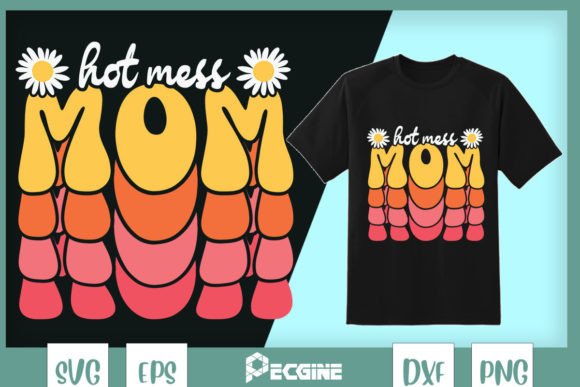
Hot Mess Mom Retro Mama: An Embroidery Review
As a professional embroidery designer and product reviewer, I approach every new graphic with a specific question: will this actually stitch out well on fabric? When evaluating the Hot Mess Mom Retro Mama design, my assessment goes beyond the digital preview. While the product listing provides essential digital assets including SVG, PNG, DXF, and EPS files with transparent backgrounds, my focus is on how this graphic translates from screen to textile. For craft business owners and Etsy sellers, understanding the physical limitations and aesthetic strengths of this design is crucial before committing it to a custom apparel line or personalized gift inventory.
Capturing the Retro Vibe in Thread
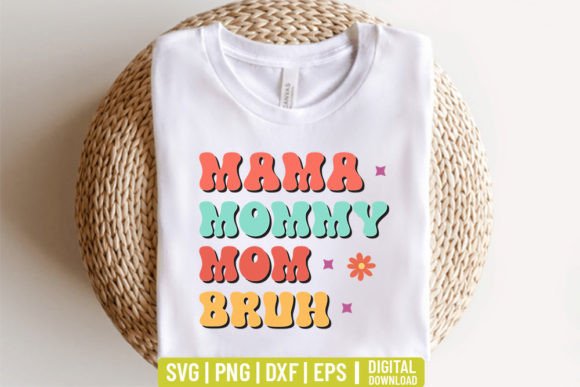
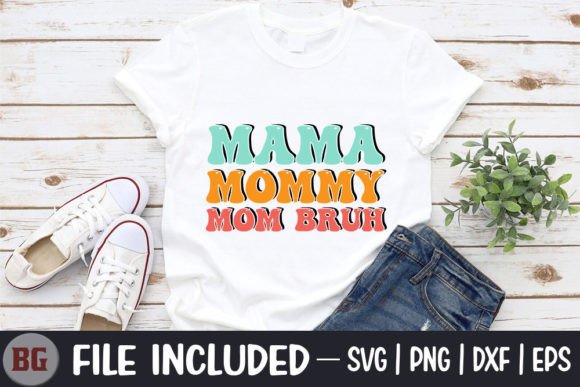
The first impression of Hot Mess Mom Retro Mama is undeniably nostalgic. The typography suggests a groovy, 70s-inspired aesthetic that is currently dominating the handmade product market. Visually, the layout feels balanced, which is a strong indicator for successful digitizing. However, retro fonts often feature varying line weights and organic curves that can be tricky in machine embroidery design. As a reviewer, I look for clean vector lines in the source file because jagged edges in the SVG or EPS usually result in poor stitch definition. This design appears to have the smooth contours necessary for a high-quality satin stitch outline or a clean fill stitch interior.
The mood is playful yet relatable, making it an ideal candidate for sweatshirt embroidery or tote bag design projects. It strikes a balance between humor and style that resonates with modern mothers. For a small shop product, this emotional connection is just as important as the technical execution. If the design feels too rigid or the lettering is illegible once stitched, that connection is lost. Fortunately, the retro styling here lends itself well to the slight imperfections inherent in thread work, giving the finished product an authentic, vintage feel rather than looking like a stiff corporate logo.
Real-World Application: The Sweatshirt Test
To truly evaluate this graphics asset, I mentally place it in a real-life production scenario. Imagine preparing a batch of cream-colored fleece sweatshirts for a holiday embroidery collection. Fleece is a textured fabric that can swallow fine details. In this context, Hot Mess Mom Retro Mama needs to hold its own against the pile of the fabric. Because the PNG files are pre-sized and formatted, you have a reliable baseline for placement, but I always recommend verifying the dimensions against your specific hoop size.
For this sweatshirt project, I would treat the design as a centerpiece. The retro lettering likely requires a medium-to-heavy weight stabilizer to prevent puckering on the stretchy knit fabric. If the design includes thin connecting lines common in retro scripts, those areas are potential failure points during stitching. A skilled digitizer or operator might add extra underlay stitches in these sections to anchor the thread into the fleece. This attention to detail separates a professional commercial embroidery piece from a hobbyist attempt. When customers receive a personalized gift where the text is crisp and the fabric lies flat, it builds immense trust in your brand consistency.
Navigating Fabric Limitations and Hoop Sizes
While Hot Mess Mom Retro Mama is versatile, it demands respect for material constraints. Not every fabric is suitable for this level of detail. I advise caution when applying this design to lightweight baby clothes or thin linen tea towels. The stitch density required to make retro letters opaque can create a "bulletproof" patch effect on delicate fabrics, causing them to drape poorly or tear. For baby embroidery items, consider scaling the design down significantly or using a running stitch variation instead of a dense fill to maintain softness.
Curved surfaces present another challenge. If you plan to use this as an embroidered patch on a cap, the horizontal span of the retro text must fit within the curved framing area without distorting. Caps require specialized digitizing to account for the cylinder shape; simply resizing a flat SVG won't suffice. Similarly, dark fabrics require careful thread color planning. Retro designs often rely on color contrast for readability. Before stitching on navy or black garments, test your thread colors in natural light. What looks vibrant on a computer monitor may disappear against dark cotton. Always run a test stitch-out on scrap fabric that matches your final project’s weight and texture.
Commercial Viability for Makers and Sellers
For Etsy sellers and creative entrepreneurs, time is money. The inclusion of multiple file formats (SVG, DXF, EPS) in this package is a significant advantage for workflow efficiency. However, remember that these are graphics files, not pre-digitized embroidery files like PES or DST. You or your digitizer must convert them. This extra step allows for customization but requires technical skill. Ensure you understand the licensing terms before selling finished products or digital embroidery files derived from this art. Clarifying whether this asset permits commercial embroidery sales protects your business from future legal issues.
From a marketing perspective, this design has high giftability. It fits perfectly into niche markets for Mother’s Day, baby showers, or "just because" gifts. When creating printable mockups for your online listings, use the provided transparent PNG to showcase the design on various apparel colors. This helps buyers visualize the final product accurately. Just ensure your mockup reflects realistic stitch textures so customers know what to expect. A digital preview that looks too perfect can lead to returns if the actual embroidered patch has natural thread variance. Honesty in presentation enhances buyer engagement and reduces customer service friction.
Designer Notes for Optimal Results
Before loading Hot Mess Mom Retro Mama into your machine software, consider these practical checkpoints:
- Verify Stitch Density: Retro fonts can be deceptively dense. Adjust fill patterns to reduce stitch count without sacrificing coverage, especially for large-format tote bag designs.
- Check Small Details: Inspect the inner counters of letters (like 'a', 'e', 'o'). If they are too small, they may close up during stitching. Widen them slightly in your vector editor before digitizing.
- Stabilizer Selection: Match your stabilizer to the fabric, not just the design. Stretchy knits need cut-away; woven cottons can often use tear-away. This prevents the retro shapes from warping after washing.
- Thread Contrast Testing: Create a grayscale version of the design to check value contrast. If the design relies solely on hue differences, it may fail in black-and-white photography or low-light craft fair displays.
- Mockup Reality Check: Use the pre-sized PNG for digital previews, but always photograph a physical sample for your primary listing image. Real photos convert better for handmade products.
Final Thoughts on Production Value
Hot Mess Mom Retro Mama offers a strong foundation for a variety of embroidery projects, from boutique branding to personal crafting. Its success ultimately depends on the maker's willingness to adapt the graphic to the physical realities of needle and thread. By respecting fabric limitations, testing thoroughly, and leveraging the included digital assets wisely, you can transform this retro graphic into a best-selling embroidered product. Whether you are creating a custom apparel line or a single heartfelt gift, the care you put into the technical execution will shine through in the final stitch-out, validating both the design choice and your craftsmanship.