Akita Inu Mom St Patrick’s Day Design Review
As a professional embroidery digitizer and product reviewer, I approach every new design file with a critical eye toward stitchability and marketability. When evaluating the Akita Inu Mom St Patrick’s Day graphic for potential conversion into a machine embroidery design, my primary focus is how the visual elements translate from screen to fabric. This design sits at the intersection of two passionate niches: dog lovers and holiday enthusiasts. From a designer's perspective, this combination offers significant potential for personalized gifts and custom apparel, but it also presents specific technical challenges that must be addressed before needle hits fabric.
Visual Personality and Seasonal Appeal
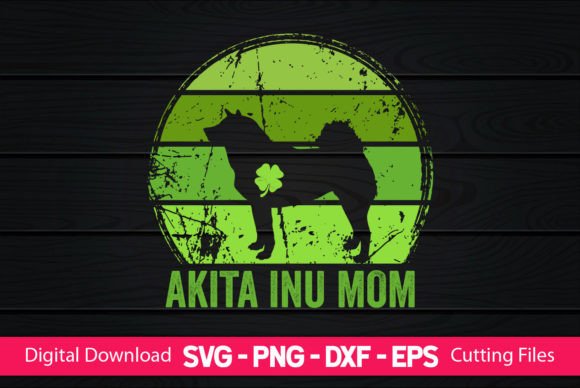
The first impression of the Akita Inu Mom St Patrick’s Day artwork is one of playful specificity. Unlike generic shamrock clipart, this design targets a dedicated demographic. The mood is celebratory yet personal, which is exactly what sells in the handmade product space. For an Etsy seller or small shop owner, this niche targeting is gold. However, as a graphics asset intended for cutting machines like Cricut or Silhouette, the lines are likely optimized for vinyl rather than thread. My immediate assessment involves visualizing where satin stitch borders would need to be added and where fill stitch areas might require segmentation to prevent puckering.
The layout typically features the distinct silhouette or portrait of an Akita integrated with St. Patrick’s Day motifs. This creates a strong focal point, essential for embroidered patches or center-chest sweatshirt embroidery. The visual weight feels balanced for medium-to-large hoop sizes, though I would caution against shrinking this design too small. The intricate details often found in breed-specific art can become muddy if reduced below three inches. For craft business owners planning a spring collection, this design signals professionalism and trend awareness, provided the execution matches the concept.
Real-World Application: The Custom Sweatshirt Test
To truly judge this asset, I mentally place it in a real-life production scenario. Imagine preparing a custom embroidered sweatshirt for a client who runs an Akita rescue and wants merchandise for a St. Patrick’s Day parade. This is a classic commercial embroidery use case. The client needs a finished product that looks crisp on camera and durable enough for outdoor wear.
In this scenario, the Akita Inu Mom St Patrick’s Day design serves as the centerpiece. I would envision placing it on the left chest or centered on the back of a heavyweight cotton fleece. Because sweatshirts have texture and loft, the design requires adequate underlay to stabilize the fabric pile. If the original SVG has thin, wispy lines typical of digital graphics, those must be reinforced. A running stitch outline alone will disappear into the fleece; a proper column stitch or satin border is necessary to define the Akita’s shape against the fabric texture. Furthermore, the "Mom" typography needs to be legible from a distance. If the font in the digital file is too ornate, I would recommend substituting it with a bolder, embroidery-friendly typeface during the digitizing process to ensure customer trust and readability.
Technical Considerations for Stitch Success
Transitioning from a print-ready SVG/PNG to a viable embroidery file requires careful technical judgment. While the source files are excellent for vinyl decals and printable mockups, embroidery demands different structural integrity. Here are the practical realities I consider when adapting this design:
- Stitch Density Management: Holiday designs often involve layered elements, such as a dog wearing a hat or holding a clover. In embroidery, stacking these layers increases density. I always check for bulletproof areas where multiple fill stitches overlap. Excessive density causes needle breaks and fabric distortion. Adjusting the pull compensation and using lighter density fills for background elements is crucial.
- Fabric Compatibility: This design is versatile but behaves differently across substrates. On a tote bag design made of canvas, the stability is excellent, allowing for higher detail. Conversely, on baby embroidery items like onesies, the design must be simplified. Stretchy knits require a cutaway stabilizer and potentially a topping to keep the Akita’s fur texture from sinking into the fabric.
- Color Contrast and Thread Selection: St. Patrick’s Day themes rely heavily on greens. However, green thread on dark fabric can lack definition. When testing this design, I advise checking thread colors against both white and charcoal backgrounds. You may need to add a light outline or trapunto effect to make the green elements pop on darker garments.
- Hoop Size Verification: Before committing to a project, confirm your hoop size accommodates the design without excessive empty space. Large hoops on small garments can cause alignment issues. If you plan to offer this as an embroidered patch, ensure the border merges cleanly with the internal elements to prevent fraying.
Strategic Placement and Product Safety
Not every surface is suitable for the Akita Inu Mom St Patrick’s Day design. As experienced makers know, placement dictates longevity. I would avoid placing detailed versions of this design on curved surfaces like caps unless the digitization specifically accounts for the curve. Flat brim hats work better for complex breed portraits than structured front panels.
Additionally, consider the end-use care. Items like kitchen towels and aprons face frequent washing and high heat. If the design includes tiny text or delicate decorative accents, they may degrade over time. For these functional items, I recommend simplifying the graphic to bold shapes and robust satin stitches. Reserve the highly detailed, intricate version of the design for decorative pillows, framed nursery decor, or boutique branding items that receive gentler handling. This distinction ensures your handmade product maintains its value and appearance through repeated use.
Designer Notes for Commercial and Personal Use
For creative entrepreneurs and hobbyists looking to utilize this asset, preparation is key to avoiding costly mistakes. Since the provided files are digital cut formats, verifying licensing is the absolute first step. Confirm whether you have the rights to sell finished embroidered products or if the license restricts use to personal projects. Never assume commercial rights for digital embroidery files derived from vector art.
I strongly advocate for a rigorous testing protocol. Always test the design on scrap fabric that matches your final project material. Do not rely solely on software simulations. Inspect the registration between color changes; misalignment in multi-color holiday designs is immediately noticeable. Check whether the design works in black and white mockups before stitching; if the contrast fails digitally, it will fail physically.
Finally, consider the presentation. High-quality printable mockups using the original PNG/SVG files can help validate market interest before you spend hours digitizing and sampling. Show potential buyers how the Akita Inu Mom St Patrick’s Day theme looks on various blanks. This bridges the gap between digital design assets and tangible commercial embroidery success. By treating this graphic with technical respect and strategic foresight, you transform a simple seasonal image into a profitable, professional-grade embroidery project that resonates deeply with the Akita community.